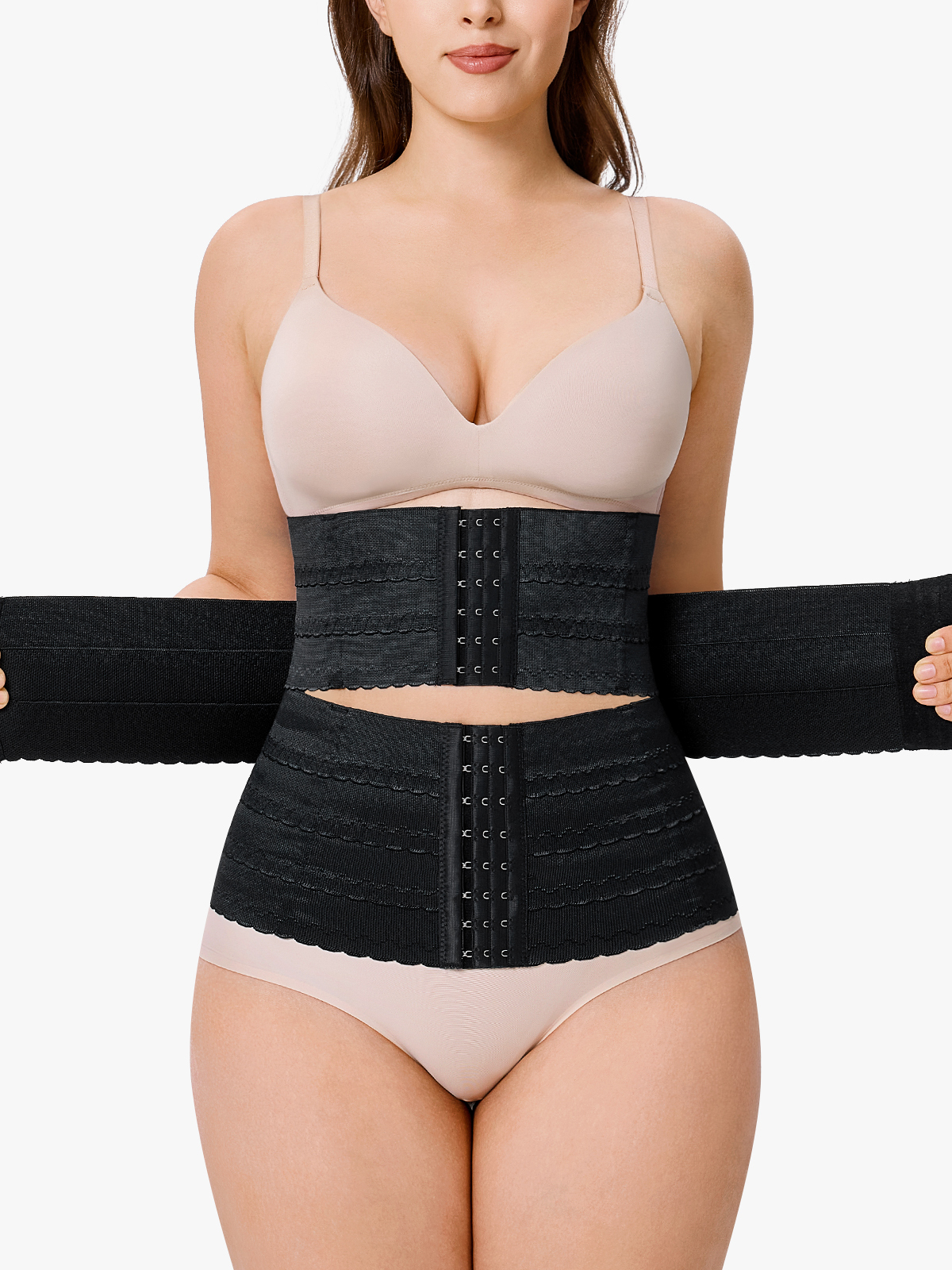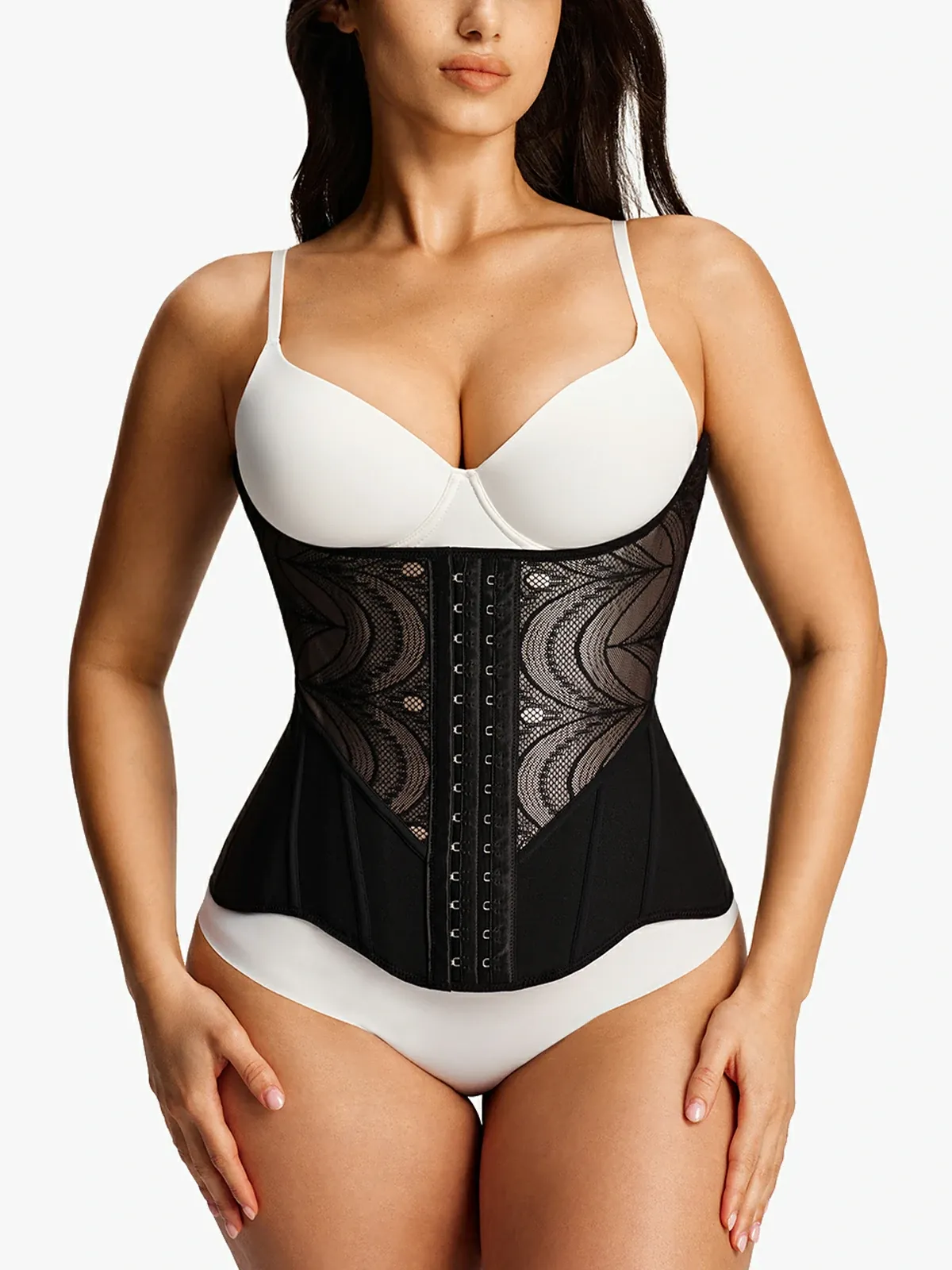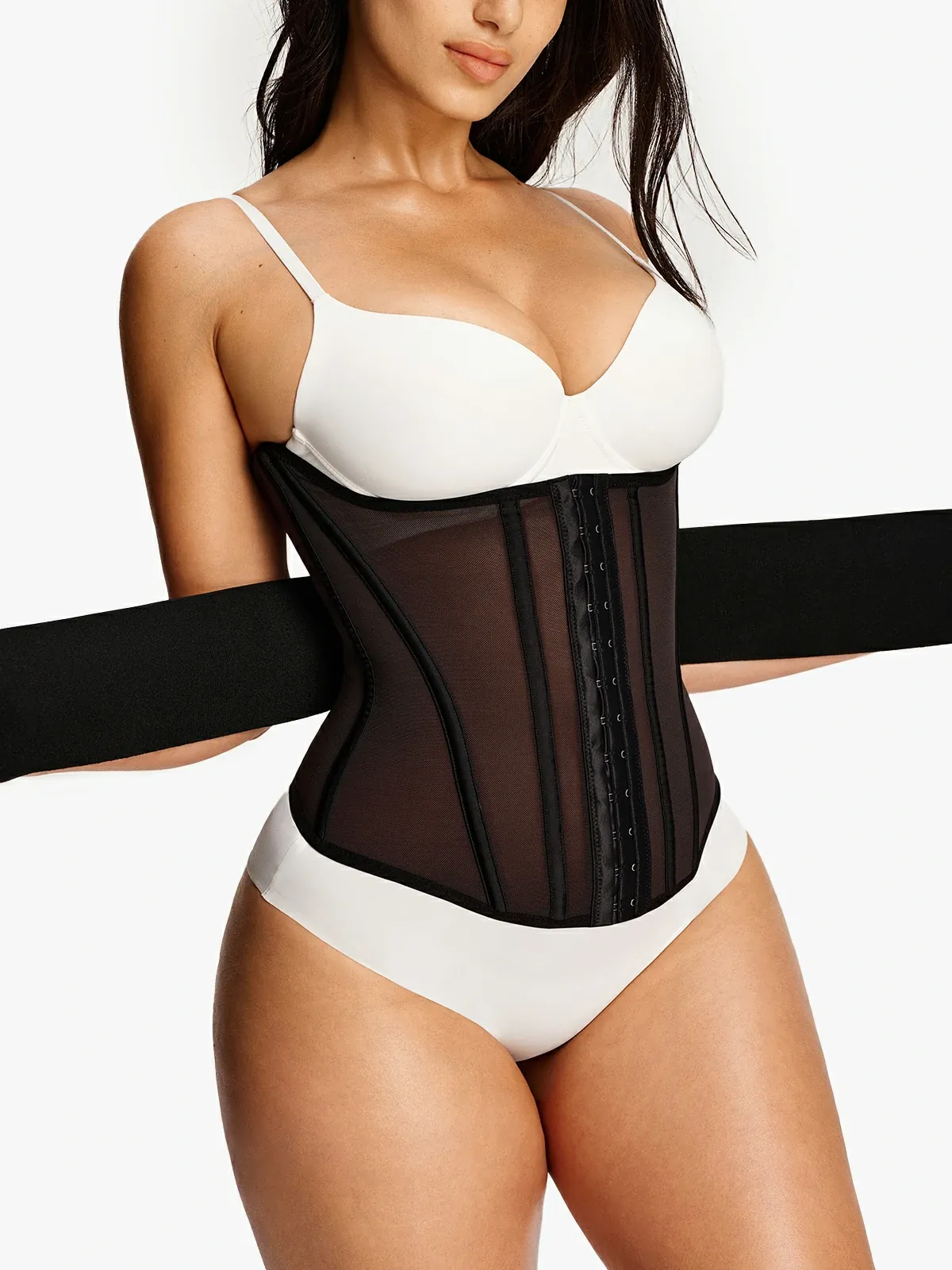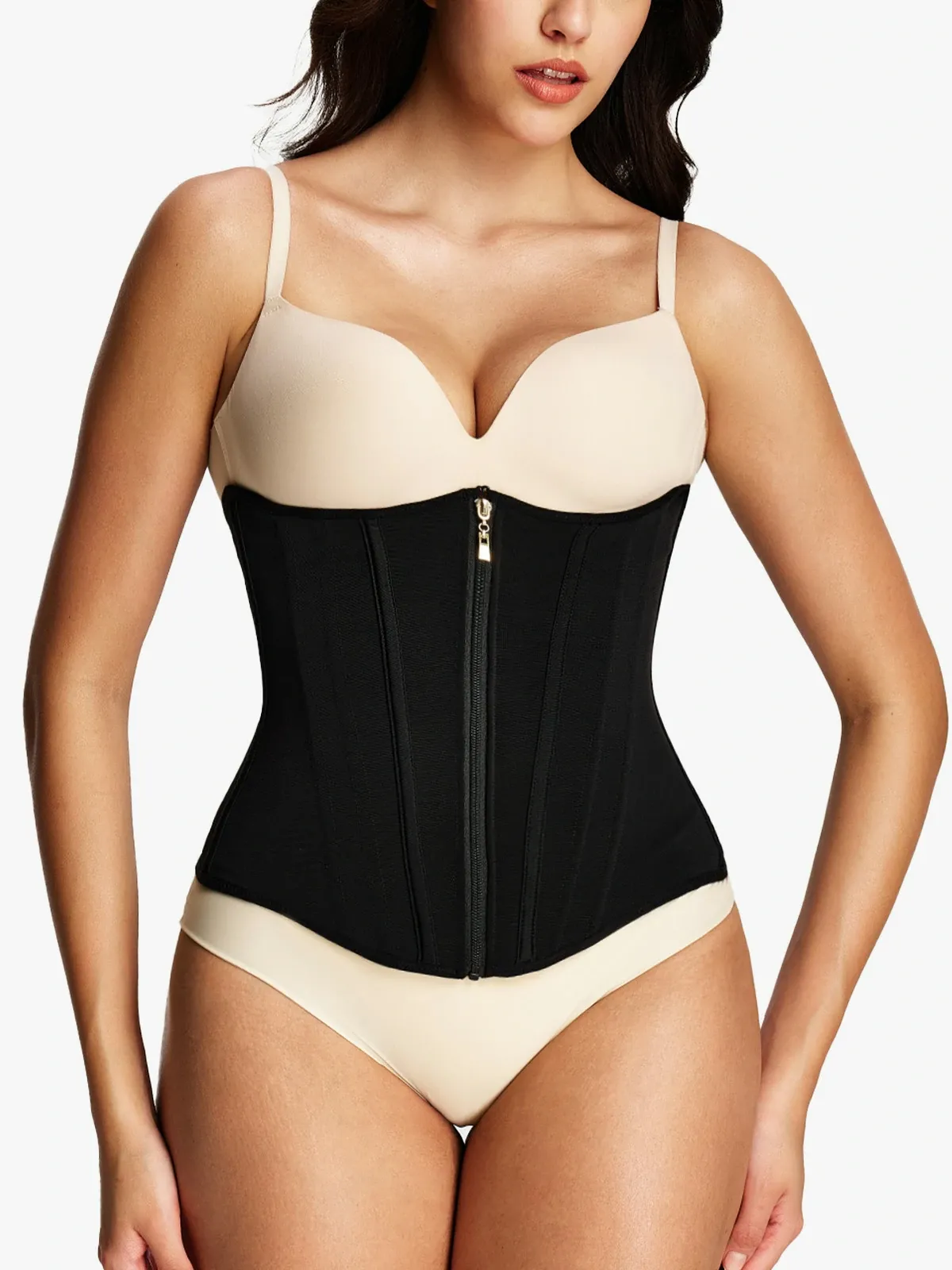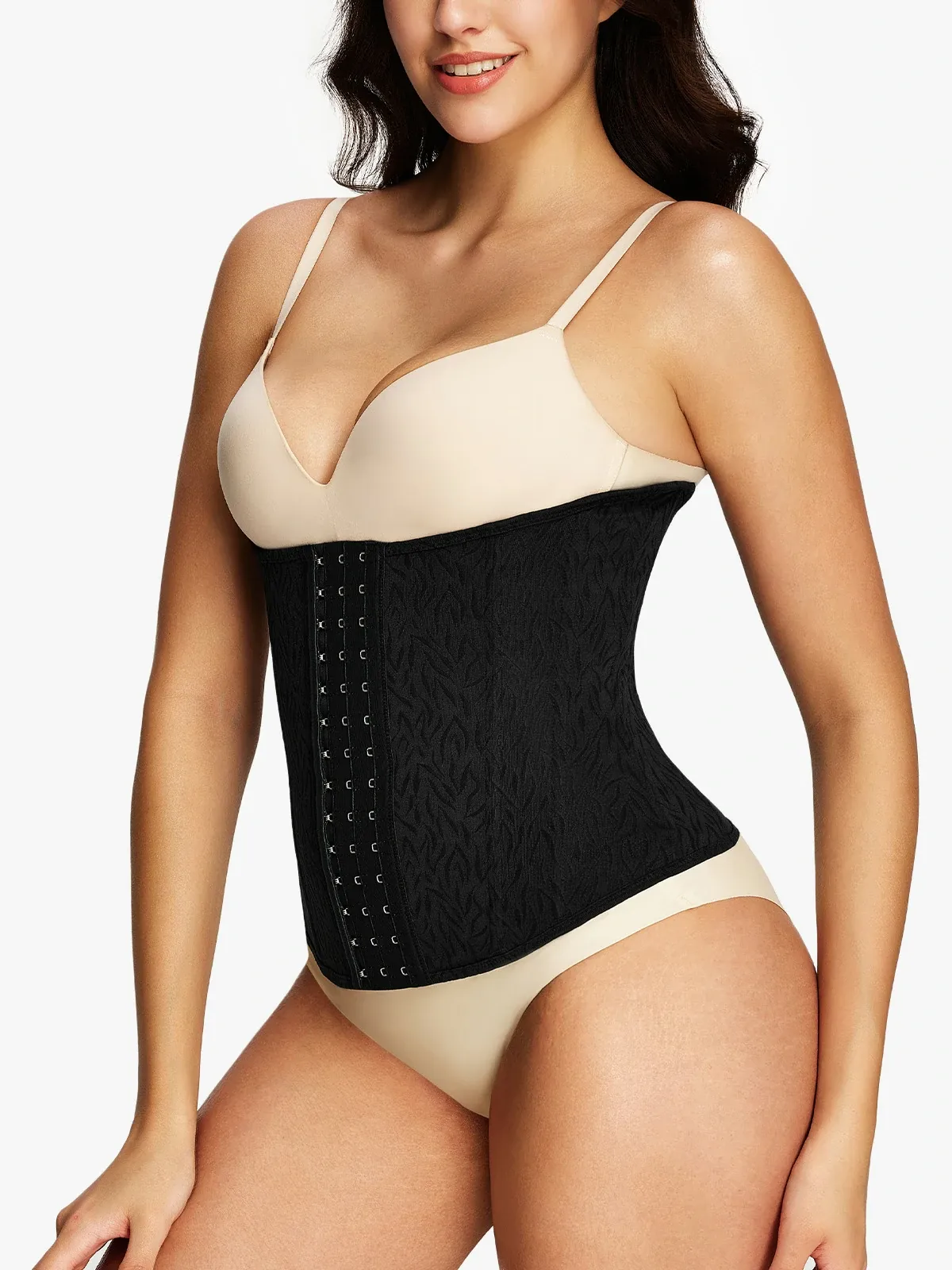

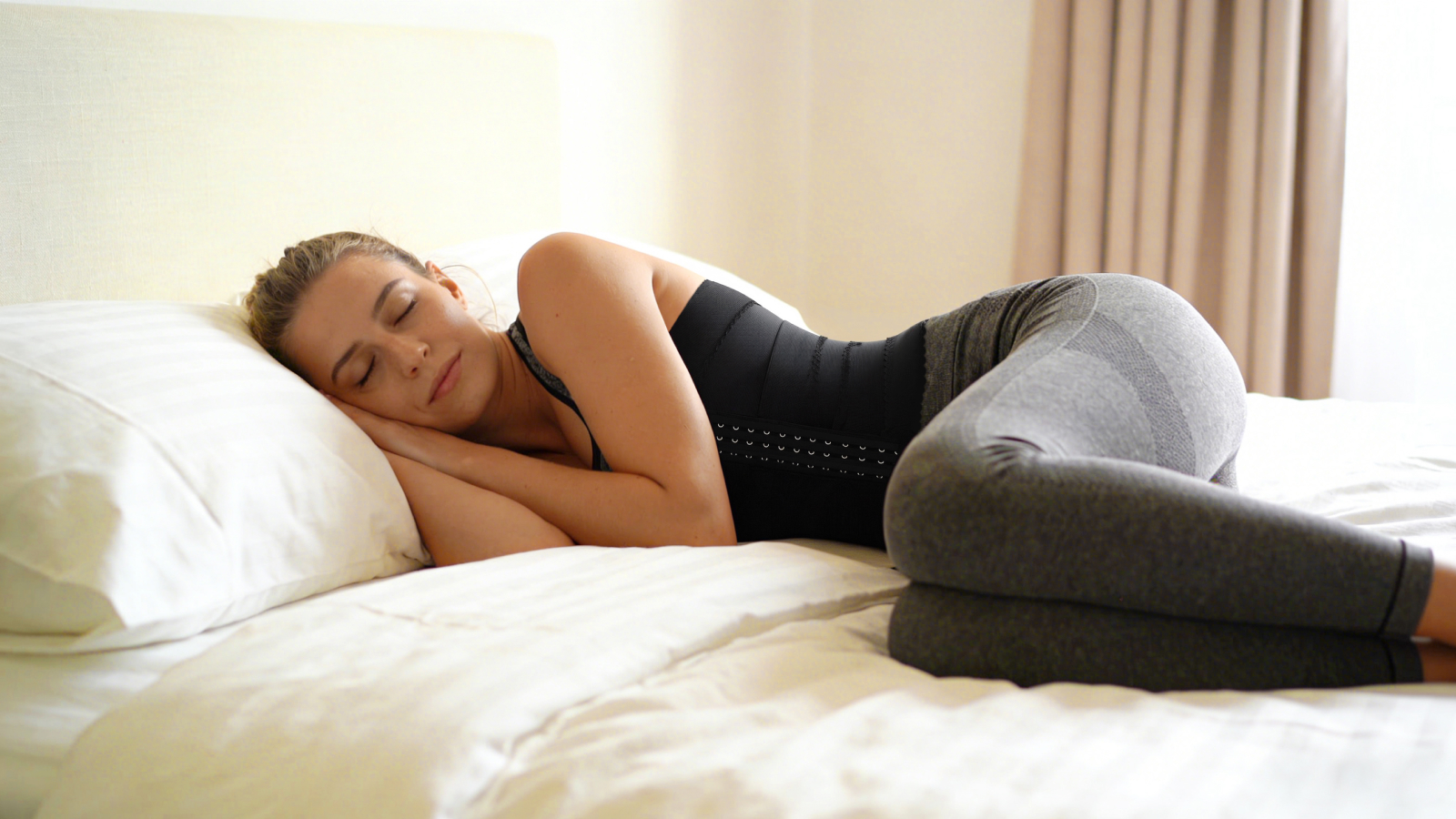
If you frequently browse fitness forums or Instagram Reels, you've probably seen claims that you can wear a waist trainer 24/7, even while sleeping. But is it really safe to sleep with a waist trainer on?
A waist trainer is essentially a compression garment to tighten the waist and improve posture. While a waist trainer can visibly tighten and support the abdomen, wearing it while sleeping is entirely different because the body's physiology changes significantly during rest.
During sleep, muscles relax, breathing slows, and the digestive system becomes more sensitive. Therefore, it's natural to wonder: Can I wear a waist trainer to sleep without harming myself?
Is It Bad to Sleep With a Waist Trainer On?
Let's get straight to the point: most doctors and fitness experts advise caution. Sleeping with a waist trainer, especially tightly-laced models, is generally not recommended for extended periods. But why exactly?
Physiological Impact
Wearing a waist trainer at night can compress your chest and abdomen, affecting your respiratory system. It can make deep breathing more difficult, which in turn may lower oxygen intake during sleep.
Moreover, sleep quality could be impacted. According to sleep experts at the National Sleep Foundation, the body needs to be in a state of total relaxation to transition through sleep cycles effectively. Pressure on your midsection can prevent your body from reaching deeper stages of sleep, leaving you feeling restless in the morning.
Compression Risks
Your body needs to relax when sleeping. Wearing a tight waist trainer can cause issues like blood circulation problems or gastric reflux. If you experience tingling, numbness, or chest tightness, it's a clear signal that your body isn't coping well with the pressure.
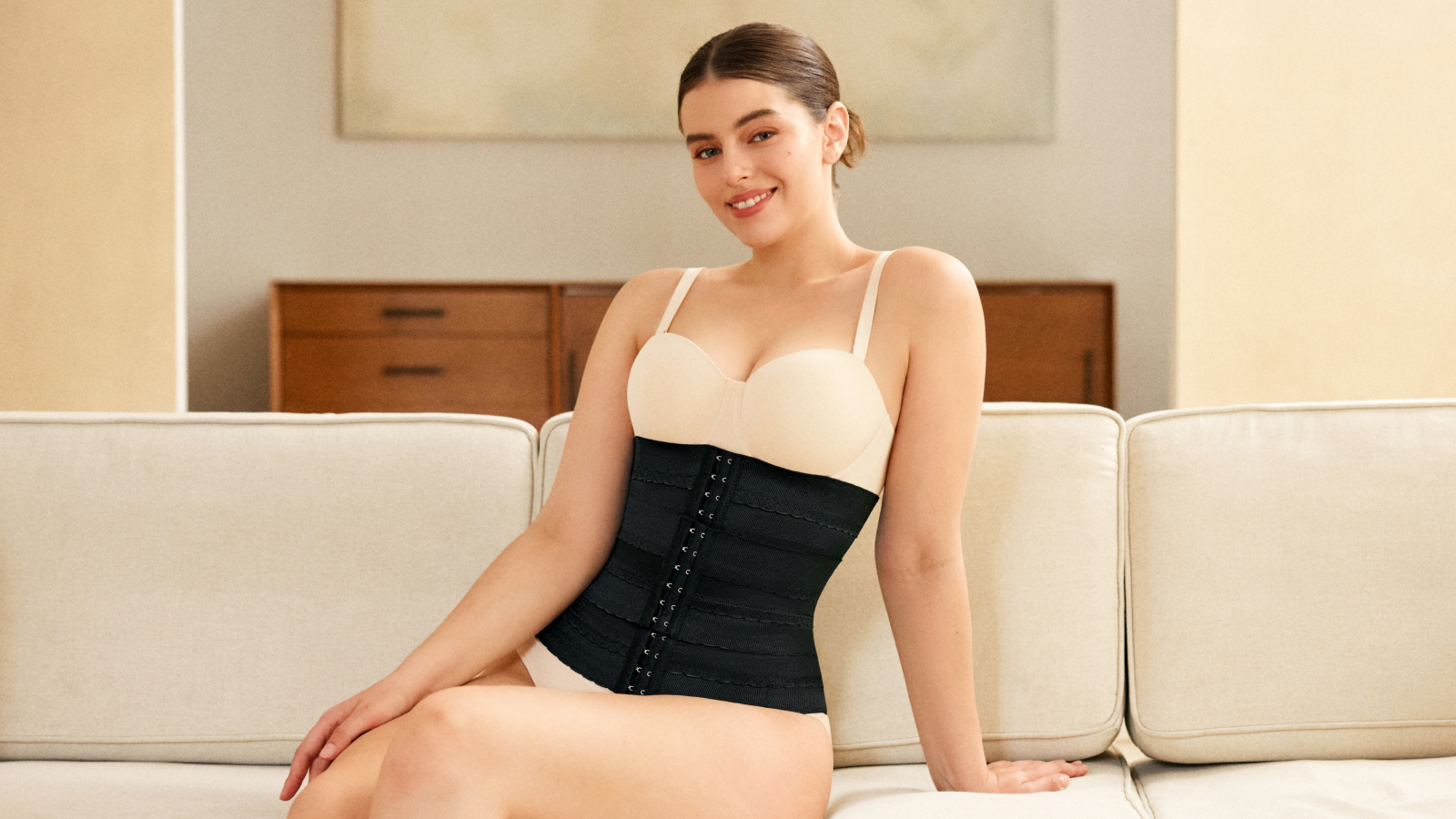
Benefits of Sleeping With a Waist Trainer
Despite the risks, some users report benefits when carefully sleeping in a waist trainer. The key is moderation and choosing the right product.
Sleep in a Waist Trainer for Posture and Support
Posture Correction
If you're a "stomach sleeper" or someone who wakes up with a sore back from tossing and turning, the structured support of a Brabic waist trainer can help keep your spine in a more neutral alignment. This may help reduce back strain for those who experience lower back discomfort overnight.
Mild Abdominal Support
it provides light abdominal compression, which can make your core feel more supported and stable. For some, a light level of compression provides a sense of security and core stability.
However, it's important to note that the benefits are modest. Waist trainers don't reshape your waist overnight. They're better viewed as a posture and support tool when you sleep.
How to Safely Sleep in Waist Trainer?
If you still want to try sleeping with a waist trainer, there are ways to minimize risks.
- Choose the Right Waist Trainer
Select a waist trainer designed for comfort. Lightweight, adjustable, and breathable models are essential. Brabic all-day waist cincher is a great example.
Anti-Roll Steel Boned Waist Trainer for Hourglass Figure
This shapewear allows for precise adjustment. For sleep, you must use the loosest setting. The goal is light support, not extreme cinching.
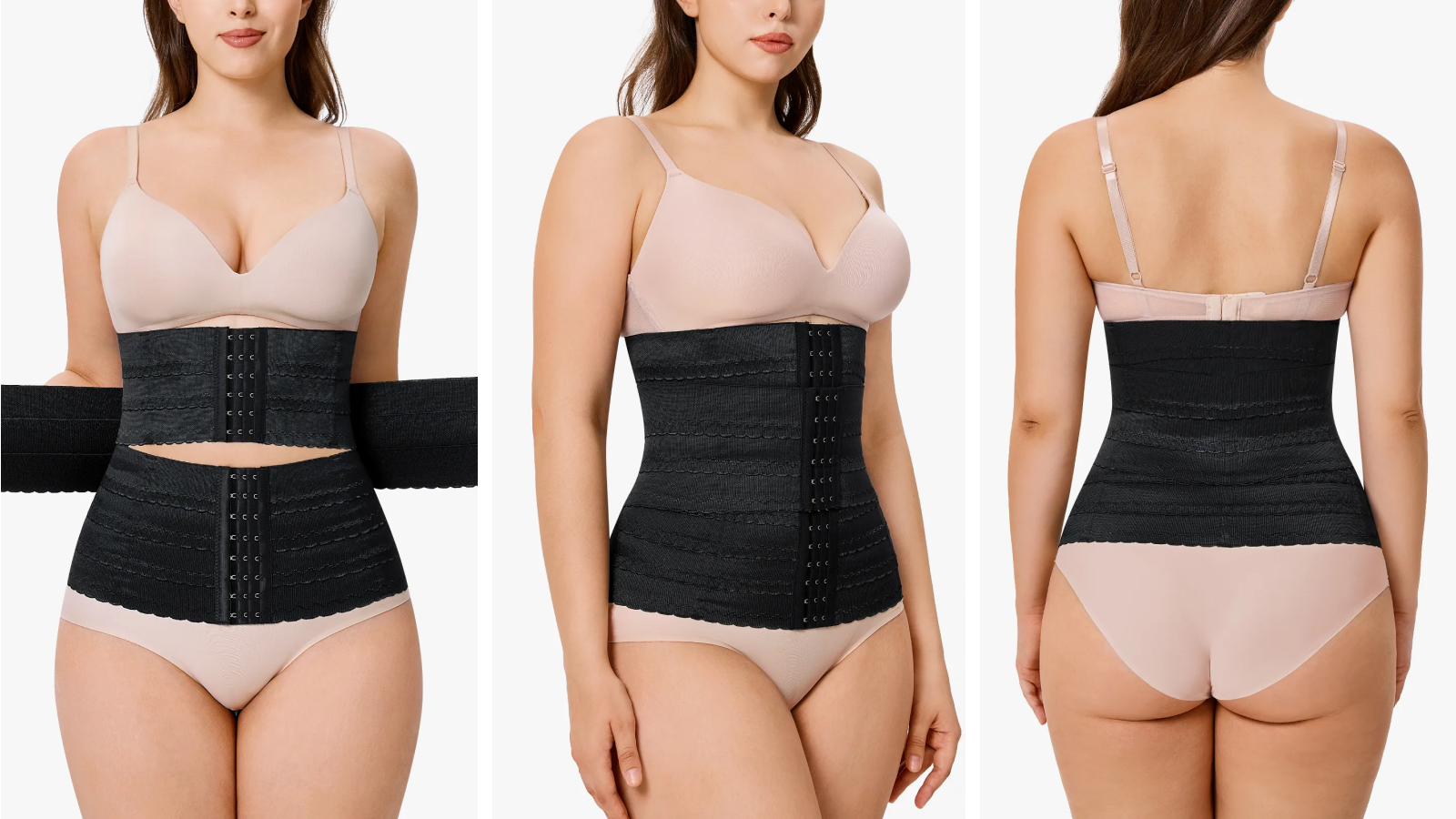
Key Features
- Full coverage waist trainer - The waist trainer features upgraded elastic fabric made of 84% polyester and 16% spandex, designed with a 360-degree stitching pattern.
- Adjustable waist trainer with buckle - Equipped with a front 3-row hook and eye buckle, this waist trainer is easy to put on and take off.
- Dual abdominal compression control - The waist trainer adds an extra layer of highly elastic fabric to the center of the abdomen for reinforcement. A rubber belt at the waist strap further tightens the abdomen.
- Control Duration and Tightness
Set the waist trainer to the loosest hook while sleeping. Start with short periods, maybe 30 minutes to an hour, and gradually increase only if your body feels comfortable. Avoid continuous all-night wear until you're certain your body tolerates it.
- Monitor Body Feedback
Watch for signs of discomfort like chest tightness, pale skin, or disrupted sleep. If any of these occur, remove the waist trainer immediately. Remember, your health and sleep quality always come first.
Conclusion
So, can I sleep with a waist trainer? The answer is: yes, but only with caution and for short periods. Sleeping with waist trainer offers minor benefits like posture support and mild abdominal compression, but overdoing it can lead to breathing issues, circulation problems, or digestive discomfort.
If you want to try, start with a Brabic waist trainer set to the loosest hook, monitor your body's response, and avoid all-night continuous wear. In most cases, daytime wear combined with proper diet and exercise provides the most sustainable results.