-5_800x.webp?w=720&h=220&q=60)

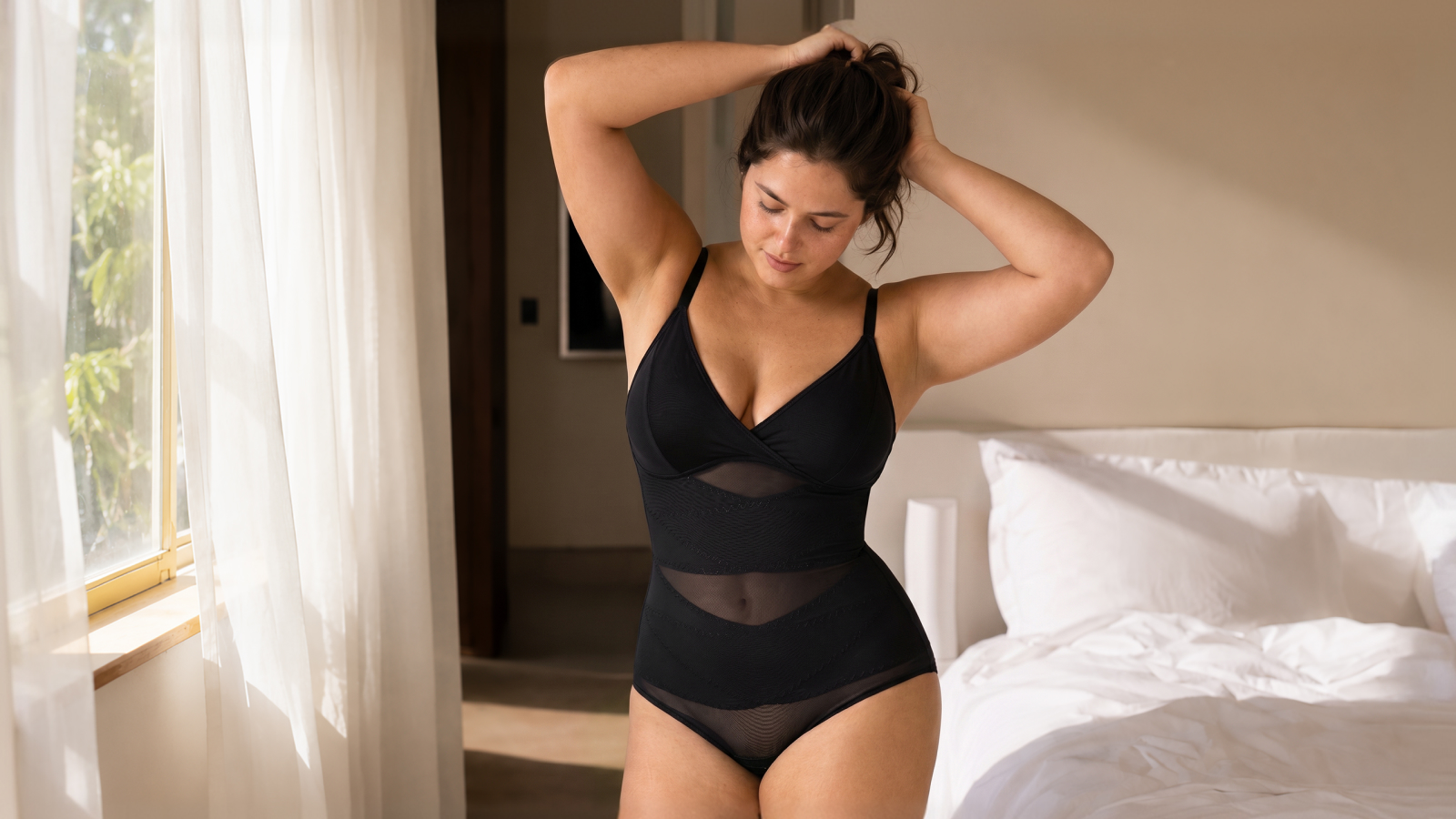
Most new shapewear shoppers ask the same confusing questions: what size shapewear should I buy. Picking the wrong fit happens far more often than picking the wrong style, and this mistake ruins both comfort and shaping results.
This complete guide walks you through six
simple steps to find your perfect match and shares top beginner-friendly shapewear pieces for every daily scenario.
Step 1: Measure Yourself Correctly
Before you add any items to your shopping cart, you need to collect your current body measurements. Your clothing size can change often due to shifts in diet, exercise, or lifestyle, so relying on old numbers will lead to sizing mistakes.
To start, grab a standard, flexible fabric measuring tape. Stand up straight in front of a mirror with your feet together. Do not suck in your stomach, hold your breath, or puff out your chest. The tape measure should rest flat against your skin or over thin underwear. It needs to be snug but never pulled so tight that it digs into your body.
How to Measure the Three Core Areas:
- Chest: Wrap the measuring tape around the fullest part of your chest, keeping it level all the way around your back. This measurement is crucial when figuring out what size shapewear I should get for tank tops, camisoles, and full bodysuits.
- Waist: Find your natural waistline, which is the narrowest part of your torso located just above your belly button and below your rib cage. This number is the single most critical piece of data for high-waisted shorts, briefs, and waist trainers.
- Hips: Bring your heels together and wrap the tape around the widest, most prominent part of your buttocks. You will need an accurate hip measurement whenever you purchase shaping shorts or thigh-slimming items.
Step 2: Decoding Size Charts
Once you have your measurements written down, it is time to check the brand's specific size guide. A huge mistake many people make is assuming their shapewear size matches their regular clothing size.
What happens if your measurements fall between two different sizes? For example, your waist might point to a medium, but your hips match a large. In these situations, always use the "size up" rule. Choosing the larger size ensures the garment stretches comfortably across your widest areas without tearing, pinching, or rolling down at your waist.
Step 3: Adjusting by Compression Levels
Your final choice also depends heavily on the level of compression you want. Different compression strengths serve different purposes throughout your week, and they each require a slightly different approach to sizing:
Light Compression: This level is designed for everyday smoothing and total comfort. It gives you a gentle hold that feels like a supportive second skin. If your measurements fall right between two sizes on the chart, it is best to choose the larger size for a completely effortless, all-day wear.
Medium Compression: Perfect for posture support, office hours, and casual social wear, this level provides a more noticeable sculpting effect. For medium compression garments, you should stick strictly to your measured size chart numbers without upgrading or downgrading.
Firm Compression: This level offers maximum control and is ideal for special formal events where you want a completely snatched look. When buying firm compression pieces, always buy your true measured size. Never blindly size down to force a tighter fit, as the specialized fabric is already engineered to provide maximum hold.
Step 4: Consider Different Types of Shapewear
Different styles of garments require you to focus on different measurement points to get a good fit.
Bodysuits
When looking at a full bodysuit, your torso height matters just as much as your horizontal width. You need to look closely at your chest, waist, and hip measurements together. If you have a long torso, sizing up is highly recommended to prevent the shoulder straps from pulling down painfully.
High-Waisted Shorts
For shaping shorts, your waist and hips are the main priorities. The garment needs to fit your hips smoothly without squeezing your thighs too tightly, while the high waistband must stay secure around your rib cage.
Waist Trainers
A waist trainer focuses entirely on your midsection. Your natural waist measurement is the only number that matters here. Look for styles that offer adjustable hook rows so you can tighten or loosen the fit depending on your daily comfort.
Thigh Shapers
If you want to smooth out your legs, you must measure your upper thigh circumference alongside your hips. This prevents the leg bands from digging into your skin and creating an obvious line under your pants.
Step 5: Signs Your Shapewear is the Wrong Size
If you are still wondering what size shapewear should i get, you can easily tell if a garment fits poorly by watching for a few physical warning signs.
Signs It Is Too Small:
- You find it genuinely difficult to take a deep, full breath.
- The fabric leaves deep, painful red marks or indentations on your skin after an hour of wear.
- You experience acid reflux, stomach cramping, or indigestion while sitting down.
- The top waistband constantly rolls down into a tight cord around your stomach.
Signs It Is Too Large:
- The fabric wrinkles, bunches, or sags instead of sitting flat against your body.
- You do not feel any noticeable hold, support, or compression.
- The garment shifts, slides, or slips out of place when you walk around the room.
Step 6: Try Your First Shapewear
If your very first experience with shapewear involves an ultra-firm piece for a formal event, it makes sense that you might feel a bit uncomfortable at first. The technical compression garments take a little getting used to. If you are a beginner or looking for what is the best shapewear for plus-size women, starting with lightweight daily pieces is a great way to figure out your preferences.
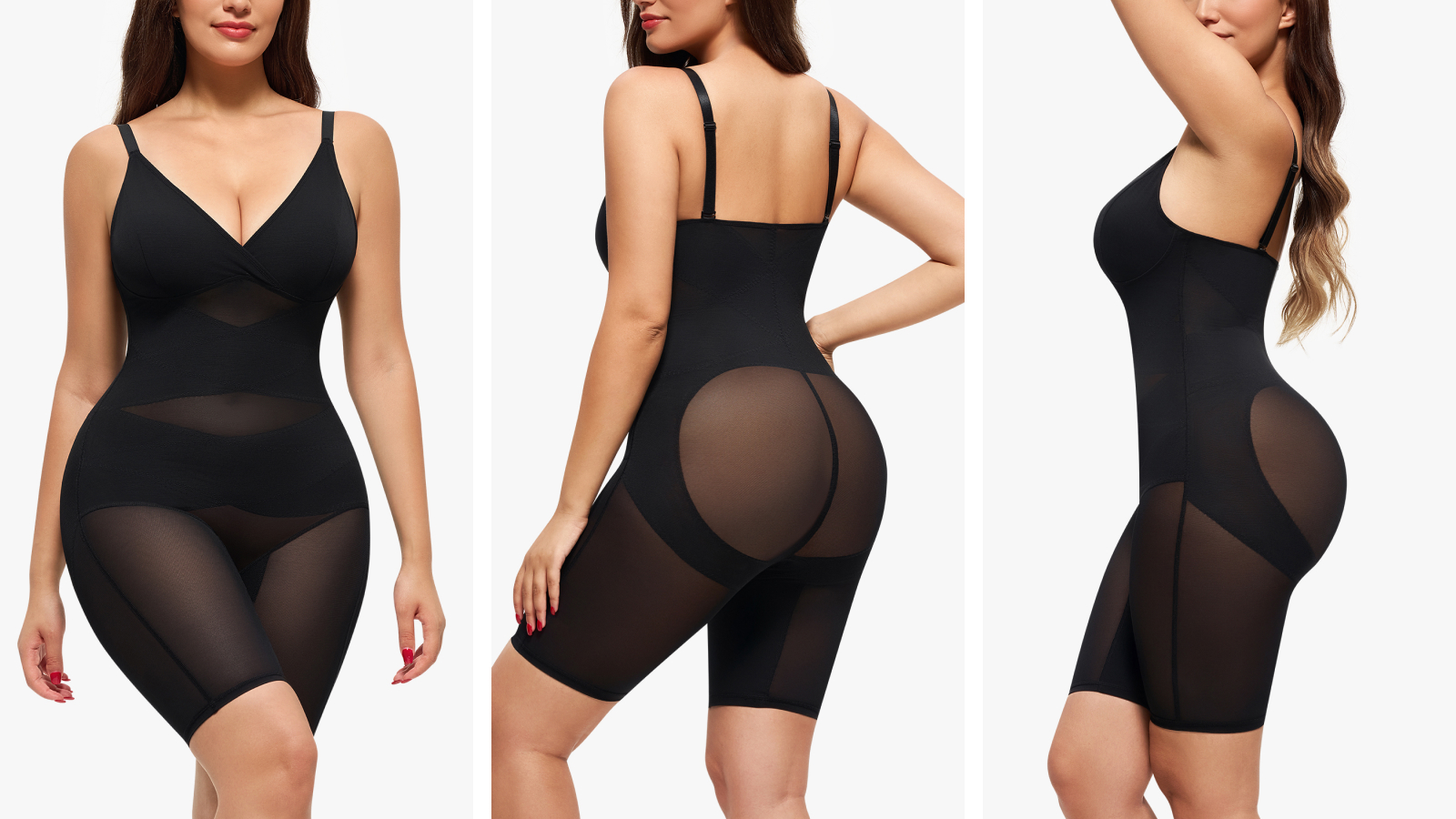
For a great introductory piece, a tummy control bodysuit is an excellent choice. Brabic Cross Compression Shaper supports your back while gently smoothing your stomach. It also includes an adjustable crotch buckle for easy restroom breaks, and a flattering V-neckline with removable bra pads so you can customize your chest support.
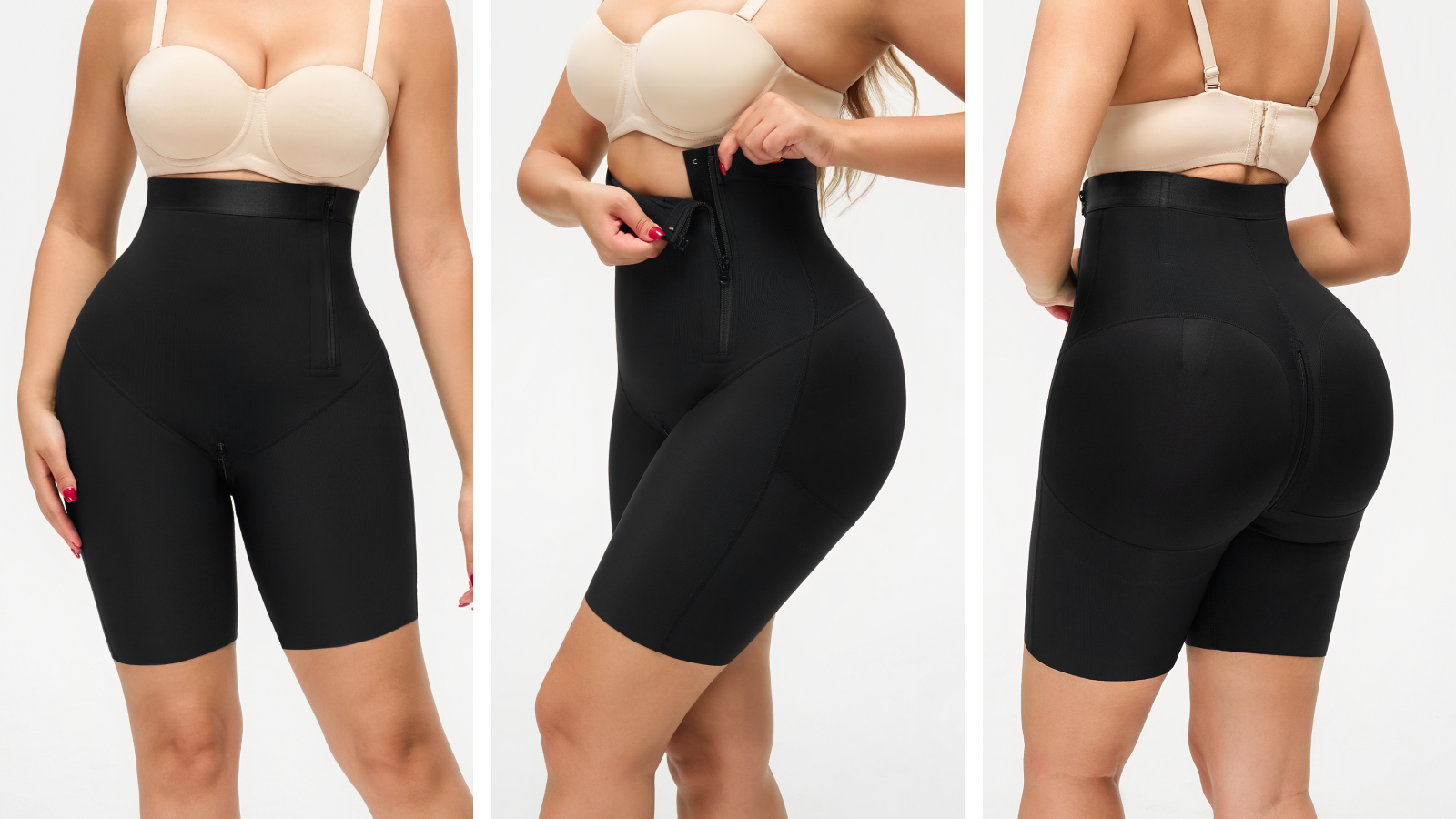
If you prefer targeted lower-body help, look into high-waisted compression shorts. They offer a double-layer front panel to smooth out love handles, making it a wonderful option for everyday wear or postpartum recovery. It uses a helpful invisible side zipper system that makes putting it on simple while keeping the profile flat under your clothing.
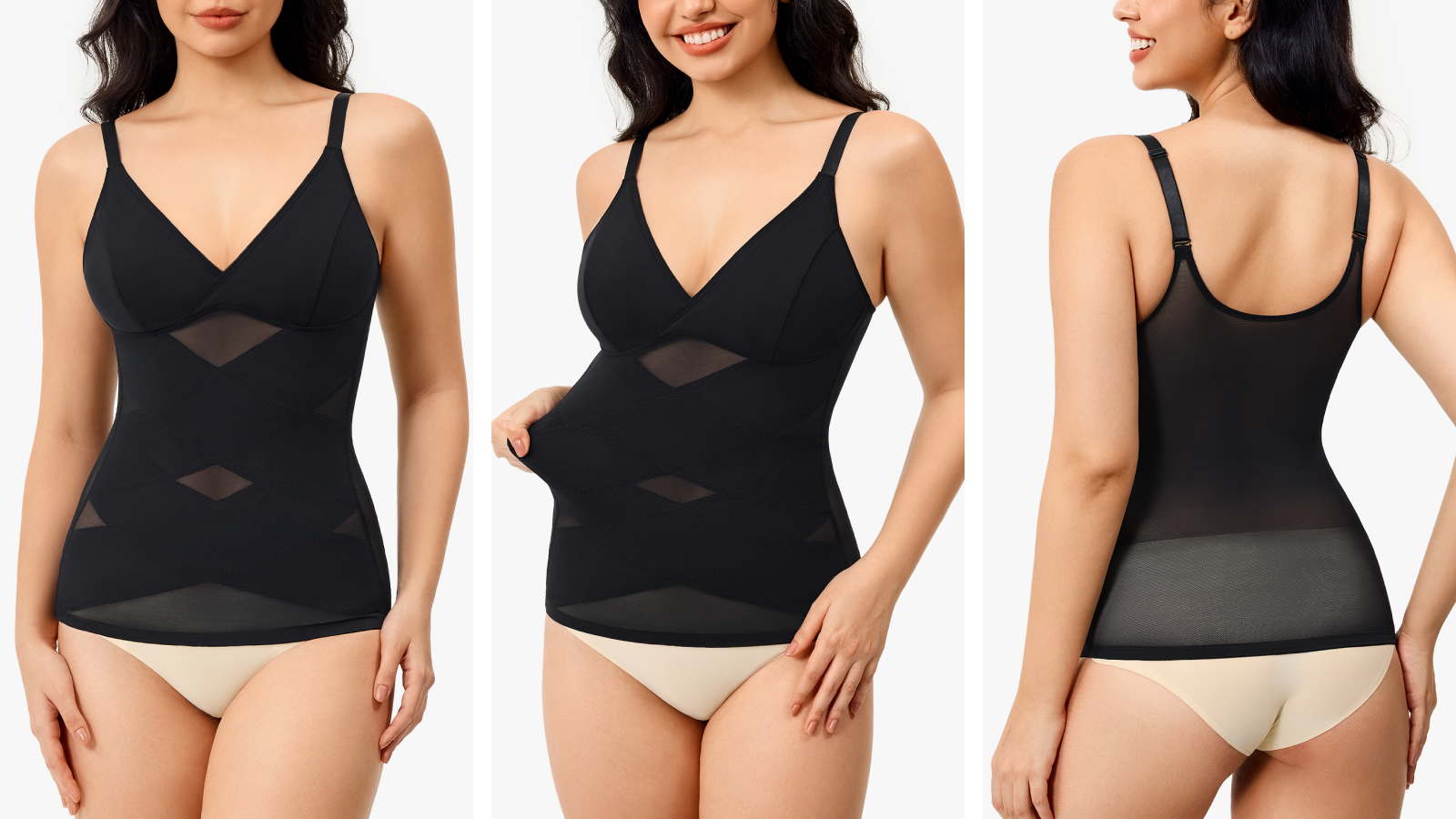
For a top-only solution, a shapewear tank top provides incredible versatility. Our Breathable Control Vest features a wire-free, built-in bra layout with a double-layer cotton lining. Its adjustable straps allow you to change the fit based on your height, and the high-stretch mesh fabric keeps you cool and dry all day long.
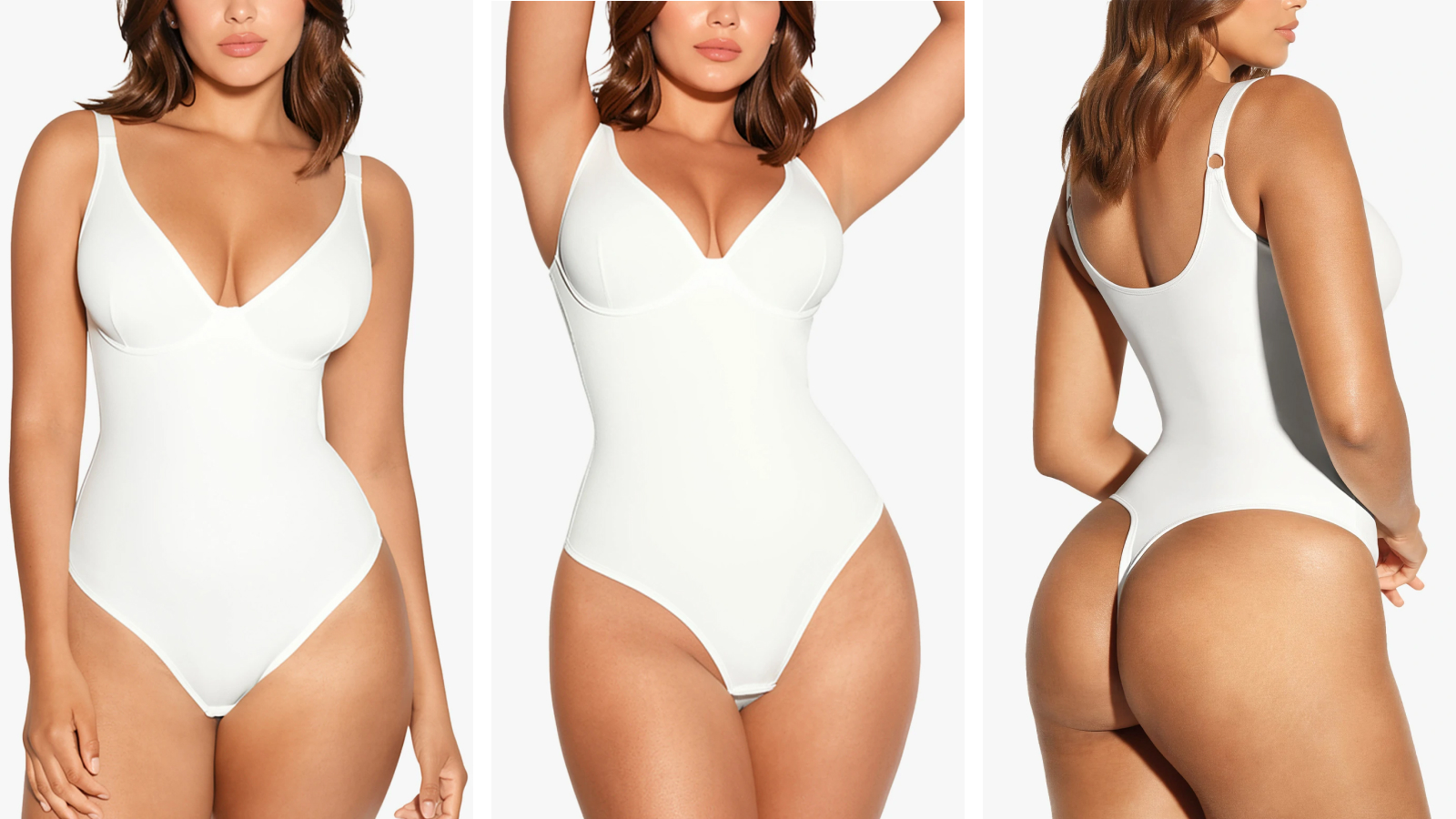
If you plan on wearing backless dresses or plunging necklines, a thong bodysuit is an absolute must-have. The Deep Plunge Thong Bodysuit uses premium dual-layer sculpting fabric to give you a natural lift without needing a separate bra.
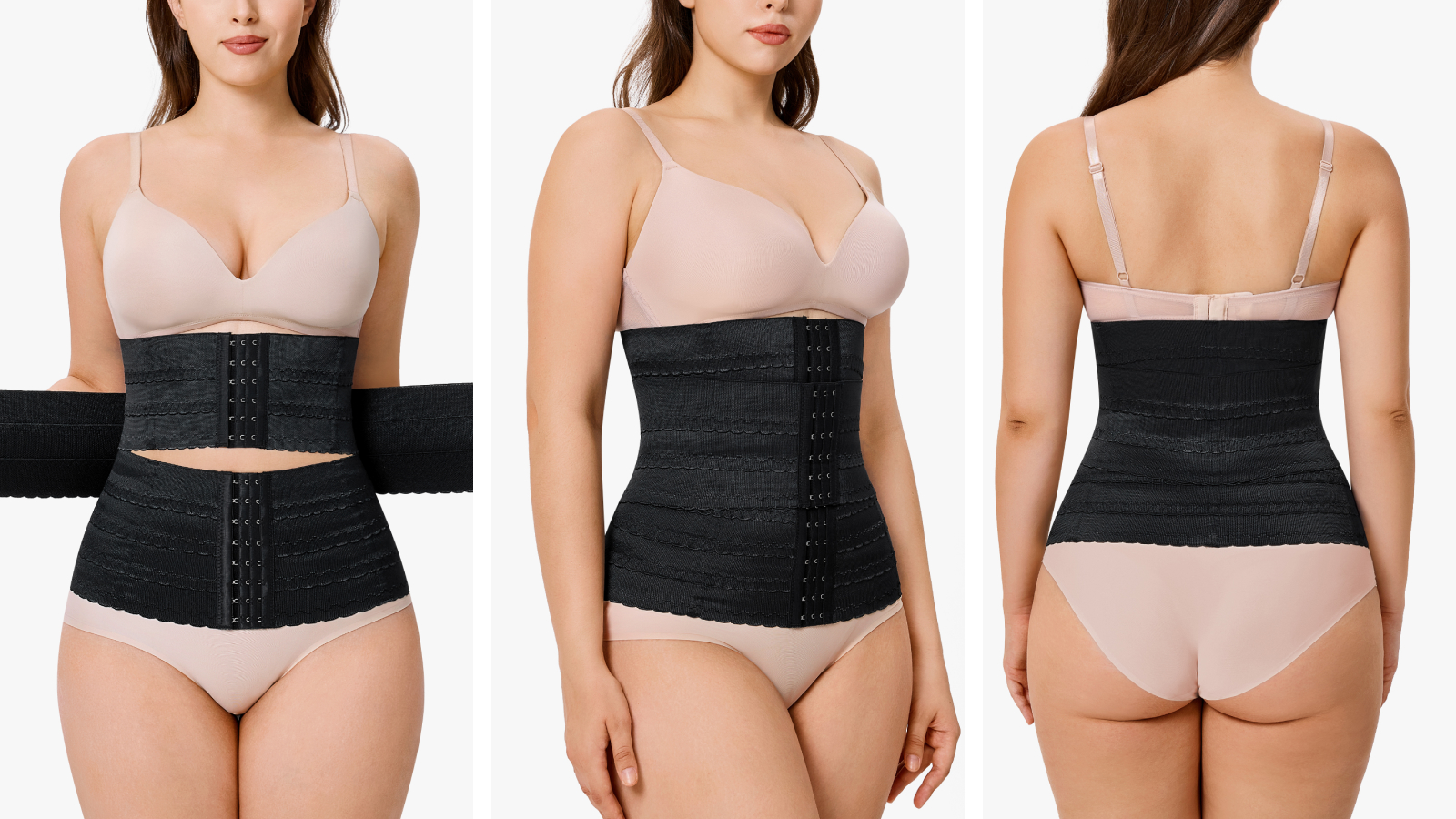
Finally, if you want an hourglass silhouette, using a targeted waist trainer for hourglass figure goals—such as the 5-Bone Anti-Roll Trainer—provides strong abdominal compression alongside rigid lumbar support to ease back soreness during long office hours.